
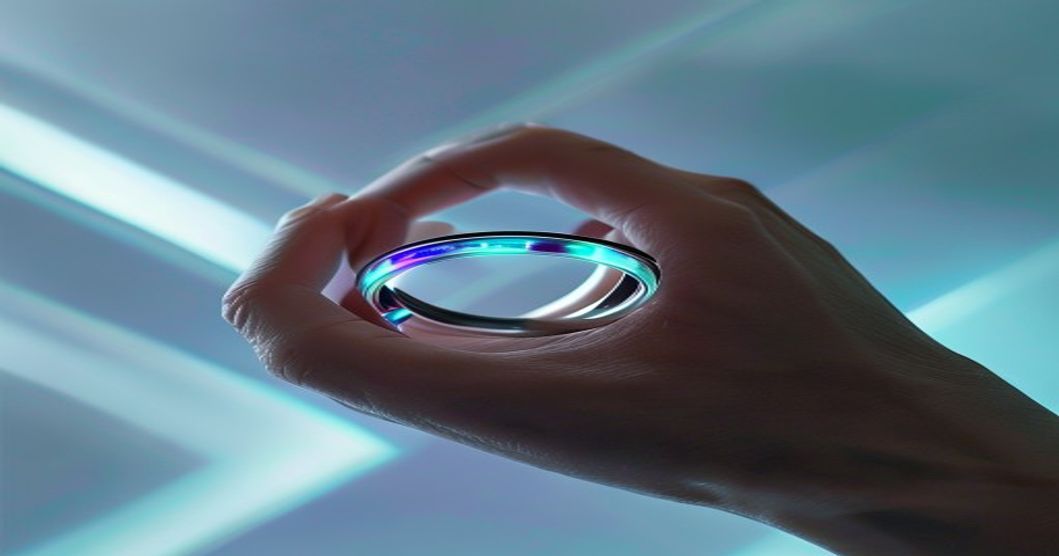
In a world increasingly dominated by smart gadgets, the latest innovation to capture widespread attention isn’t another smartphone or smartwatch, but something far more discreet: the smart ring. These elegant, finger-worn devices are rapidly emerging as a compelling alternative for those seeking comprehensive health and wellness tracking without the bulk or distraction of traditional wearables. Moving beyond the wrist, smart rings offer a seamless, almost invisible way to monitor vital signs, track sleep patterns, and provide actionable insights into your overall well-being. They represent a significant leap in wearable technology, blending advanced sensor capabilities with minimalist design.
The allure of the smart ring lies in its unique form factor. Unlike a smartwatch that often demands screen interaction and is prominently displayed, a smart ring integrates effortlessly into daily life, often going unnoticed. This discreet nature makes it an ideal companion for 24/7 wear, ensuring continuous data collection for a truly holistic view of your health. As technology continues to miniaturize, these tiny titans are packing an impressive array of features into their compact designs, redefining what we expect from personal health monitoring.
What Exactly is a Smart Ring?
At its core, a smart ring is a wearable electronic device designed to be worn on a finger, much like a traditional ring. However, beneath its stylish exterior lies a sophisticated network of sensors, a tiny battery, and a microprocessor. These components work in harmony to collect various physiological data points from your body. The data is then transmitted, typically via Bluetooth, to a companion smartphone app where it’s analyzed, interpreted, and presented in an understandable format. The goal is to provide users with personalized insights into their health, fitness, and recovery.
From tracking sleep quality to monitoring heart rate, smart rings are designed to be your silent health guardian. They offer a blend of convenience and advanced technology, making personal health tracking more accessible and less intrusive than ever before. Their robust construction often includes water resistance, making them suitable for almost any activity, from swimming to intense workouts.
Key Innovations Driving Smart Ring Adoption
The rapid rise of smart rings isn’t just about their sleek design; it’s fueled by several key technological innovations and user-centric features:
- Comprehensive Health Tracking: Modern smart rings are equipped with advanced sensors capable of monitoring a wide array of health metrics. This includes continuous heart rate tracking, heart rate variability (HRV), skin temperature, blood oxygen levels (SpO2), and detailed sleep stage analysis (light, deep, REM). These metrics provide a nuanced understanding of your body’s recovery, stress levels, and overall physiological state.
- Unparalleled Comfort and Discreet Design: Perhaps the most significant advantage is the ring’s form factor. It’s lightweight, comfortable, and aesthetically pleasing, allowing for continuous wear without feeling cumbersome. This discreetness is crucial for collecting accurate, uninterrupted data, especially during sleep. For many, it’s a welcome departure from the often bulky smartwatches.
- Extended Battery Life: Due to their lack of a display screen, smart rings typically boast significantly longer battery lives compared to smartwatches. Many models can last for several days on a single charge, minimizing the need for frequent recharging and enhancing the user experience.
- Actionable Insights and Readiness Scores: Beyond raw data, leading smart rings excel at translating complex metrics into easy-to-understand insights. Features like “Readiness Scores” or “Sleep Scores” synthesize various data points to give users a clear indication of their physical and mental state, guiding decisions about training intensity, rest, and overall daily planning.
- Advanced Sensor Miniaturization: The ability to pack sophisticated photoplethysmography (PPG) sensors, accelerometers, gyroscopes, and temperature sensors into such a small form factor is a marvel of modern engineering. This miniaturization ensures accuracy and functionality without compromising on design.
Beyond Wellness: Emerging Trends and Future Potential
While health tracking remains their primary function, smart rings are beginning to explore broader applications, hinting at an even more integrated future:
- Contactless Payments: Some smart rings are already incorporating NFC technology, allowing users to make secure, contactless payments with a simple tap of their finger. This adds a new layer of convenience, eliminating the need to carry cards or even a phone for quick transactions.
- Gesture Control: Imagine controlling smart home devices or navigating presentations with subtle finger movements. Early prototypes are exploring gesture recognition, transforming the ring into a minimalist control interface for various digital interactions.
- Security and Authentication: With built-in biometric capabilities, smart rings could serve as a secure authentication tool, replacing passwords or even physical keys for unlocking doors or accessing digital accounts.
- Integration with AI and Predictive Health: As AI capabilities advance, smart rings could leverage machine learning to offer more predictive health insights, identifying potential health issues before they become serious or providing highly personalized wellness recommendations based on long-term data trends.
Who Benefits Most from Smart Rings?
Smart rings cater to a diverse audience seeking intelligent health solutions:
- Health and Fitness Enthusiasts: Those committed to optimizing their training, recovery, and overall performance will find the detailed biometric data invaluable.
- Sleep Quality Seekers: Individuals struggling with sleep or simply aiming to improve their rest patterns will benefit immensely from the in-depth sleep analysis.
- Minimalists and Style-Conscious Users: People who dislike the bulk of smartwatches but still desire comprehensive health monitoring will appreciate the ring’s understated elegance.
- Anyone Seeking Discreet Monitoring: For those who prefer their technology to be less obtrusive, a smart ring provides continuous tracking without drawing attention.
Challenges and Considerations
Despite their many advantages, smart rings are not without their challenges. Cost can be a barrier for some, as premium models often carry a significant price tag. Accuracy, while impressive for a consumer device, may not always match medical-grade equipment. Furthermore, data privacy and security are ongoing concerns, as these devices collect sensitive personal health information. Lastly, the lack of a visual display means all interaction and data review must occur via a connected smartphone, which might be a drawback for users accustomed to on-device feedback.
The Future is on Your Finger
The smart ring category is still relatively nascent, yet its trajectory is undeniable. As technology continues to evolve, we can expect smart rings to become even more sophisticated, offering enhanced accuracy, greater functionality, and seamless integration into our digital lives. They are not just gadgets; they are personal health companions, quietly empowering us to make more informed decisions about our well-being. The future of wearable technology is shrinking, and it looks remarkably brilliant, right there on your finger.