
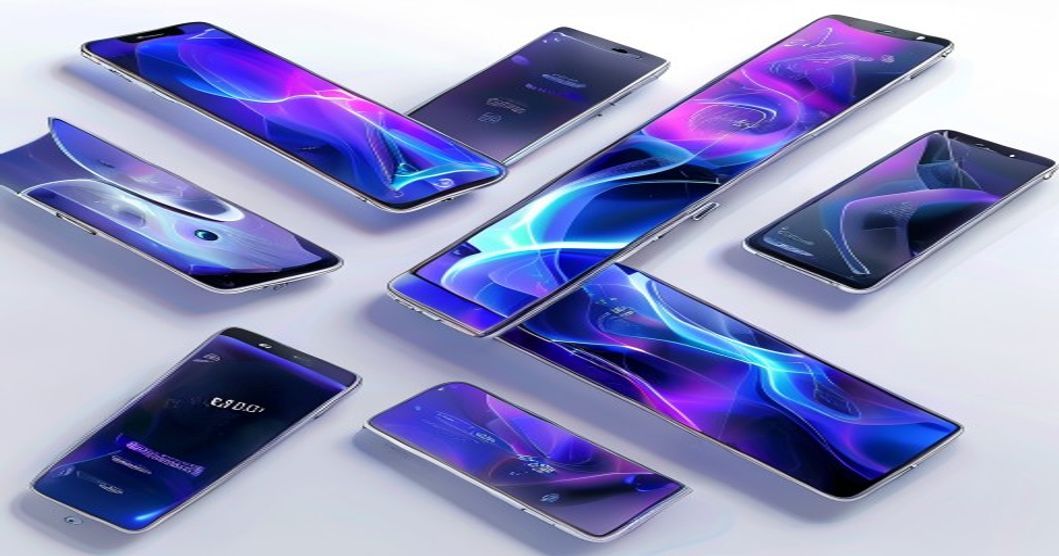
Foldable smartphones, once a futuristic concept, have transformed from ambitious prototypes into remarkable, everyday devices. What began with early, often clunky iterations has matured into a sophisticated category, offering unprecedented versatility and redefining mobile technology expectations. This article explores the journey of foldable phones, highlighting innovations that propelled them forward and their tangible benefits in our digital lives.
The Journey of Foldables: From Concept to Reality
The idea of a phone that could fold captivated tech enthusiasts for years. Early attempts, however, faced significant challenges: durability issues, visible creases, high prices, and unoptimized software. These pioneering devices provided crucial learning experiences for manufacturers. Engineers tackled critical aspects like hinge mechanisms and display materials; the development of Ultra Thin Glass (UTG) significantly enhanced screen durability and feel. Software developers simultaneously created user interfaces that seamlessly adapted to different screen states, allowing smooth app transitions between folded and unfolded modes.
Current Landscape: What’s on Offer?
Today, the vibrant foldable market is diverse, catering to different user needs with two primary form factors:
Clamshells: Compact Powerhouses
- Examples: Samsung Galaxy Z Flip series, Motorola Razr
These devices fold vertically, resembling classic flip phones. Their main appeal is extreme portability, shrinking a full-sized smartphone into a pocket-friendly square. Often chosen for their stylish designs, they enable quick interactions on a smaller external display for notifications, music control, or taking selfies without fully opening the phone.
Book-Style Foldables: The Tablet in Your Pocket
- Examples: Samsung Galaxy Z Fold series, Google Pixel Fold, OnePlus Open
Folding horizontally, these phones open to reveal a larger, tablet-like display. Designed for productivity, immersive media consumption, and serious multitasking, the expansive inner screen provides ample space for running multiple apps side-by-side, watching movies, or working on documents. They still fold down into a manageable phone form factor for calls and quick tasks.
Key Innovations Driving Adoption
The significant improvements in foldable technology are a testament to relentless research and development:
- Enhanced Durability: Modern foldables boast stronger hinges, more resilient displays (often featuring UTG), and even water resistance ratings, addressing some of the earliest consumer concerns.
- Refined Software Experience: Operating systems and apps are now better optimized for folding screens, offering intuitive multi-window modes, seamless app continuity, and unique features like “Flex Mode” which splits the screen when partially folded for specific applications.
- Sleeker Designs & Thinner Profiles: Manufacturers have worked to reduce the gap when folded, create thinner profiles, and improve overall aesthetics, making the devices feel less bulky and more premium.
- More Accessible Pricing: While still premium, the cost of foldables has become more accessible, with various models entering different price segments, making them a more viable option for a broader audience.
Beyond the Hype: Practical Benefits for Users
The allure of foldable phones extends beyond mere novelty, offering distinct advantages:
- Unmatched Portability: Clamshells allow users to carry a large-screen phone in the smallest pockets or bags.
- Superior Multitasking: Book-style foldables transform into powerful mobile workstations, perfect for managing emails, documents, and multiple communication apps simultaneously.
- Unique Camera Experiences: Features like Flex Mode enable hands-free photography and video calls, utilizing the phone as its own tripod. The ability to use the main camera for high-quality selfies by viewing yourself on the cover screen is another clever use.
- Immersive Entertainment: The larger inner display offers a truly cinematic experience for movies, games, and browsing, free from the constraints of traditional smartphone aspect ratios.
- Statement of Style: Owning a foldable phone often signifies an embrace of cutting-edge technology and a personal style that stands out.
Challenges That Remain
Despite remarkable progress, foldables still face hurdles:
- Price Premium: They generally remain more expensive than their traditional flagship counterparts, limiting mass adoption.
- Crease Visibility: While greatly reduced, a slight crease on the inner display is still discernible on most models, though it rarely impacts usability.
- Perceived Durability: Despite improvements, some users still harbor concerns about the long-term resilience of flexible displays and hinges compared to solid-slab phones.
- Battery Life: Powering two displays, especially a large internal one, can sometimes lead to compromises in battery longevity.
The Future of Foldables
The evolution of foldable technology is far from over. We can anticipate further advancements including:
- Even more resilient and crease-free displays.
- Improved under-display camera technology, leading to truly bezel-less experiences.
- Exploration of new form factors, such as rollable and stretchable displays, offering even greater versatility.
- Wider adoption by more manufacturers, fostering increased competition and innovation.
- Integration of flexible screen technology into other devices, like laptops and tablets, blurring the lines between device categories.
Foldables are not just a passing trend; they represent a significant leap in mobile design and functionality. They cater to a growing desire for devices that can adapt to various tasks throughout the day, whether for serious productivity or compact convenience. As the technology continues to refine and prices become more competitive, these ingenious devices are poised to become a mainstream staple, fundamentally changing how we interact with our digital world.