
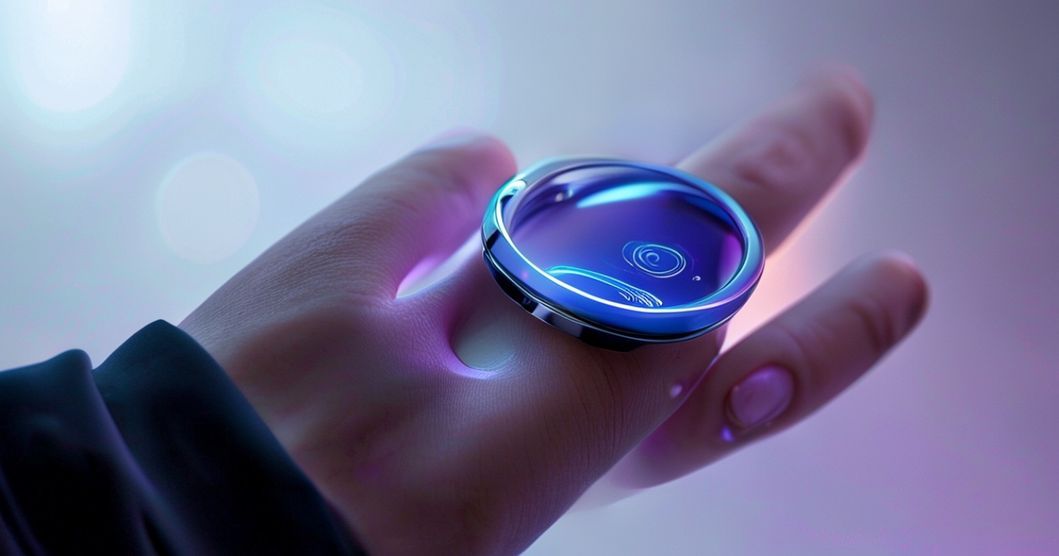
The world of wearable technology is constantly evolving, pushing the boundaries of how we interact with our digital lives. From smartwatches that adorn our wrists to augmented reality glasses promising new realities, innovation never ceases. Among the most intriguing and rapidly advancing categories in this landscape are smart rings. These elegant, compact devices are discreetly integrating powerful technology into an everyday accessory, redefining convenience and personal data tracking.
Once a niche concept, smart rings are now emerging as a compelling alternative and complement to existing wearables. They pack an impressive array of sensors and functionalities into a form factor that is both stylish and unobtrusive. Imagine having vital health insights, contactless payment capabilities, and even smart home control, all accessible with a simple gesture or a glance at your phone, powered by the device on your finger.
What Exactly Are Smart Rings?
At their core, smart rings are miniature computers designed to be worn on a finger. Unlike smartwatches with their prominent displays, rings prioritize subtlety and continuous data collection. They typically connect wirelessly to a smartphone via Bluetooth, acting as a discreet hub for information exchange and control. The magic lies in their ability to house sophisticated sensors within such a small form factor, delivering functionality that was once reserved for larger devices.
These devices are crafted from durable materials like titanium, ceramic, or advanced plastics, ensuring they can withstand daily wear and tear. Their design often focuses on aesthetics, making them blend seamlessly with traditional jewelry while harboring cutting-edge technology underneath their polished surfaces. This fusion of fashion and function is a key aspect of their growing appeal in the wearable tech market.
Key Features and Capabilities Redefining Interaction
The utility of smart rings extends across various facets of daily life, making them incredibly versatile tools:
- Advanced Health and Fitness Tracking: Many smart rings excel in monitoring crucial health metrics. They can track heart rate variability (HRV), sleep patterns (REM, deep, light sleep), body temperature, activity levels, and even blood oxygen saturation (SpO2). This continuous, passive monitoring offers deep insights into overall well-being and recovery, often with greater accuracy due to their consistent finger placement.
- Contactless Payments (NFC): Several smart rings integrate Near Field Communication (NFC) technology, allowing users to make secure, tap-to-pay transactions without needing a wallet or smartphone. This adds an unparalleled layer of convenience, transforming your finger into a payment tool.
- Smart Home Control and Gesture Commands: Emerging models are exploring gesture-based controls for smart home devices, allowing users to switch lights, adjust thermostats, or control media with a flick of the wrist or a specific finger movement. This creates a more intuitive and hands-free interaction with connected environments.
- Discreet Notifications and Security: While lacking a screen, some rings can provide haptic feedback (vibrations) for incoming calls, messages, or app alerts, keeping users connected without constant phone checking. They can also serve as secure authentication tokens for unlocking devices or logging into accounts.
- Emergency Features: Future iterations may include fall detection or SOS functionalities, adding a layer of personal safety and peace of mind for users.
Pioneers and The Expanding Market
The smart ring market, while still maturing, already boasts several innovative players. Companies like Oura Health have led the charge with their Oura Ring, renowned for its advanced sleep and recovery tracking capabilities. More recently, tech giants like Samsung have entered the fray with the announcement of the Galaxy Ring, signaling a significant mainstream push into this category.
Speculation also surrounds Apple’s potential entry, suggesting that the smart ring could become the next battleground for wearable innovation. As more established brands invest in this technology, the variety of features, design aesthetics, and price points are expected to diversify, making smart rings accessible to a broader audience who seek both style and functionality.
The Unique Advantages of the Ring Form Factor
Why choose a smart ring over a smartwatch or other wearables? The answer lies in its distinct advantages:
- Unmatched Discretion: Smart rings are far less conspicuous than smartwatches, blending seamlessly with personal style. This makes them ideal for environments where a watch might be too formal or simply unwanted.
- Superior Comfort and Fit: Worn on the finger, rings are often more comfortable for continuous wear, especially during sleep. This allows for more consistent and accurate data collection over extended periods without user intervention.
- Enhanced Data Accuracy: The finger is an excellent location for capturing vital signs like heart rate and blood oxygen due to its rich capillary network, often providing more consistent and reliable data compared to the wrist.
- Minimalist Interaction: For those who prefer a less intrusive digital experience, smart rings offer a way to stay connected and monitor health without the constant visual distraction of a screen, fostering a more mindful approach to technology use.
Challenges and the Road Ahead
Despite their promise, smart rings face certain challenges. Battery life remains a key consideration, as packing power into such a small device is demanding. Interaction methods, without a screen, are also inherently limited, requiring innovative solutions for user feedback beyond haptics.
Furthermore, issues like precise sizing, data privacy concerns regarding continuous health monitoring, and the integration with a wider ecosystem of devices need to be addressed as the technology matures. However, the future looks bright. We can anticipate advancements in:
- Miniaturization and Power Efficiency: Smaller, more powerful sensors and longer-lasting batteries will become standard, enhancing user convenience.
- Advanced Biometrics: Beyond current tracking, future rings might offer blood pressure monitoring, glucose sensing, or even stress level detection through sophisticated algorithms.
- Deeper AI Integration: Personalized insights and predictive health analytics will become more refined, offering proactive advice based on collected data.
- Seamless Ecosystem Integration: Tighter integration with smart homes, vehicles, and other personal devices will expand their utility, making them central to a connected lifestyle.
Transforming Daily Interactions
Smart rings are poised to subtly yet significantly transform our daily interactions with technology and our understanding of personal health. They represent a paradigm shift towards truly invisible computing, where technology enhances our lives without demanding constant attention or physical presence. By moving beyond the wrist, these devices offer a more intimate and integrated way to access information and control our environment, making technology feel like a natural extension of ourselves rather than an external gadget. The future of wearables might just be on your finger.