
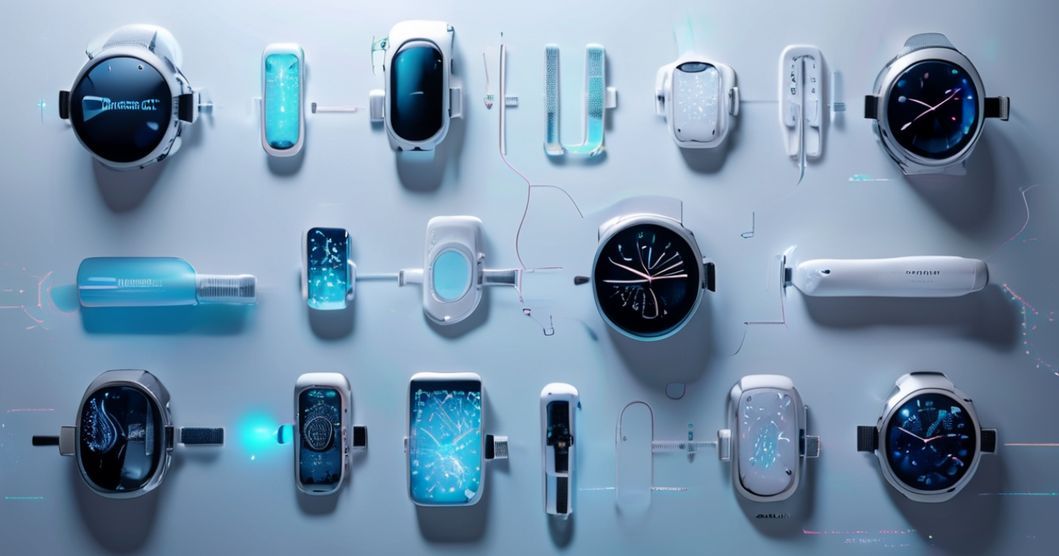
In a world increasingly driven by data and connectivity, our personal health management is undergoing a revolutionary transformation. No longer are we solely reliant on periodic doctor visits to gauge our well-being. Thanks to rapid advancements in artificial intelligence (AI) and miniaturized sensor technology, AI-powered health wearables are emerging as indispensable tools, shifting the paradigm from reactive treatment to proactive prevention. These sophisticated gadgets are not just tracking steps; they are becoming our personal health navigators, offering unprecedented insights into our body’s complex rhythms and potential health challenges.
The Evolution of Personal Health Tracking
The journey of health wearables began with simple pedometers, evolving into basic fitness trackers that counted steps, calories, and perhaps sleep duration. While beneficial, their capabilities were largely descriptive. The true breakthrough arrived with the integration of AI. This fusion has transformed passive data collection into intelligent analysis, allowing devices to not only record information but also interpret it, learn from it, and provide actionable, personalized feedback. Today’s wearables are miniature health clinics on our wrists, fingers, or even clothing, constantly monitoring vital signs and subtle physiological changes.
How AI Elevates Health Monitoring
AI’s role in modern wearables extends far beyond what traditional sensors can achieve alone. It acts as the brain, processing vast amounts of data collected by various sensors and identifying patterns that human eyes might miss. This leads to a more nuanced understanding of our health status.
Beyond Basic Tracking: Deeper Insights
Instead of just reporting a heart rate, AI can analyze heart rate variability (HRV) to assess stress levels or recovery status. It can differentiate between a strenuous workout and a sudden spike due to anxiety, offering context that makes the data truly meaningful. This layer of intelligence allows for a highly personalized health profile.
Personalized Health Recommendations
One of the most powerful aspects of AI in wearables is its ability to tailor advice. Based on your unique data, sleep patterns, activity levels, and even stress responses, these devices can suggest optimal times for exercise, recommend relaxation techniques, or prompt you to adjust your sleep schedule. It’s like having a personal coach and health advisor integrated into your daily life.
Early Detection Capabilities
Perhaps the most critical advancement is the potential for early detection of health anomalies. By continuously monitoring parameters and learning your baseline, AI can flag deviations that might indicate an underlying health issue, often before symptoms even appear. This early warning system can be life-saving, prompting timely medical intervention.
Key Features Redefining Personal Health
Modern AI-powered health wearables boast an impressive array of features that were once confined to clinical settings:
- Advanced Heart Monitoring: Beyond basic heart rate, many devices now offer on-demand electrocardiogram (ECG) readings to detect atrial fibrillation (AFib), a common heart rhythm disorder. Photoplethysmography (PPG) sensors provide continuous heart rate data and can be used for rhythm analysis.
- Comprehensive Sleep Analysis: AI algorithms can discern different sleep stages (REM, light, deep), track sleep disturbances, and analyze respiratory patterns. This leads to detailed sleep scores and personalized recommendations for improving sleep quality.
- Blood Oxygen (SpO2) Tracking: Monitoring blood oxygen saturation can indicate respiratory issues, sleep apnea, or overall lung function, offering crucial insights, especially in the context of certain illnesses.
- Body Temperature Sensing: Continuous wrist temperature tracking can help monitor overall health, detect fevers, or assist women in tracking their menstrual cycles and ovulation with greater accuracy.
- Stress Management: By analyzing heart rate variability and other physiological markers, wearables can detect elevated stress levels and offer guided breathing exercises or mindfulness prompts to help users relax.
- Fall Detection and Emergency Alerts: For elderly individuals or those with certain medical conditions, this feature can automatically detect a hard fall and alert emergency contacts or services, providing a vital safety net.
The Promise of Proactive Healthcare
The rise of AI-powered wearables signifies a fundamental shift in healthcare philosophy. We are moving from a reactive model, where we seek medical attention only when symptoms arise, to a proactive one focused on prevention and early intervention. These devices empower individuals with unprecedented control over their health data, fostering greater awareness and encouraging healthier lifestyle choices. Moreover, the integration of this data with telehealth platforms holds immense potential for more informed consultations and personalized care plans, bridging the gap between personal monitoring and professional medical oversight.
Challenges and Ethical Considerations
While the benefits are clear, the proliferation of AI health wearables also raises important questions. Data privacy and security are paramount concerns, as these devices collect highly sensitive personal health information. Ensuring the accuracy and reliability of consumer-grade devices is also crucial, as misinterpretation of data could lead to undue anxiety or delayed medical attention. Regulatory bodies are working to establish standards, ensuring these innovations are both safe and effective for widespread adoption. Furthermore, equitable access remains a challenge, as the cost of these advanced gadgets can be a barrier for some.
The Future Outlook: Smarter, Healthier Lives
The trajectory of AI-powered health wearables points towards an even more integrated and intelligent future. We can anticipate non-invasive continuous glucose monitoring, more sophisticated predictive analytics for chronic disease management, and seamless integration with electronic health records. As these technologies mature, they will become even more ingrained in our daily lives, quietly working in the background to safeguard our health, provide actionable insights, and ultimately contribute to a world where personalized, preventive care is the norm. The journey towards truly smart, health-empowered living is well underway, and these ingenious gadgets are leading the charge.